
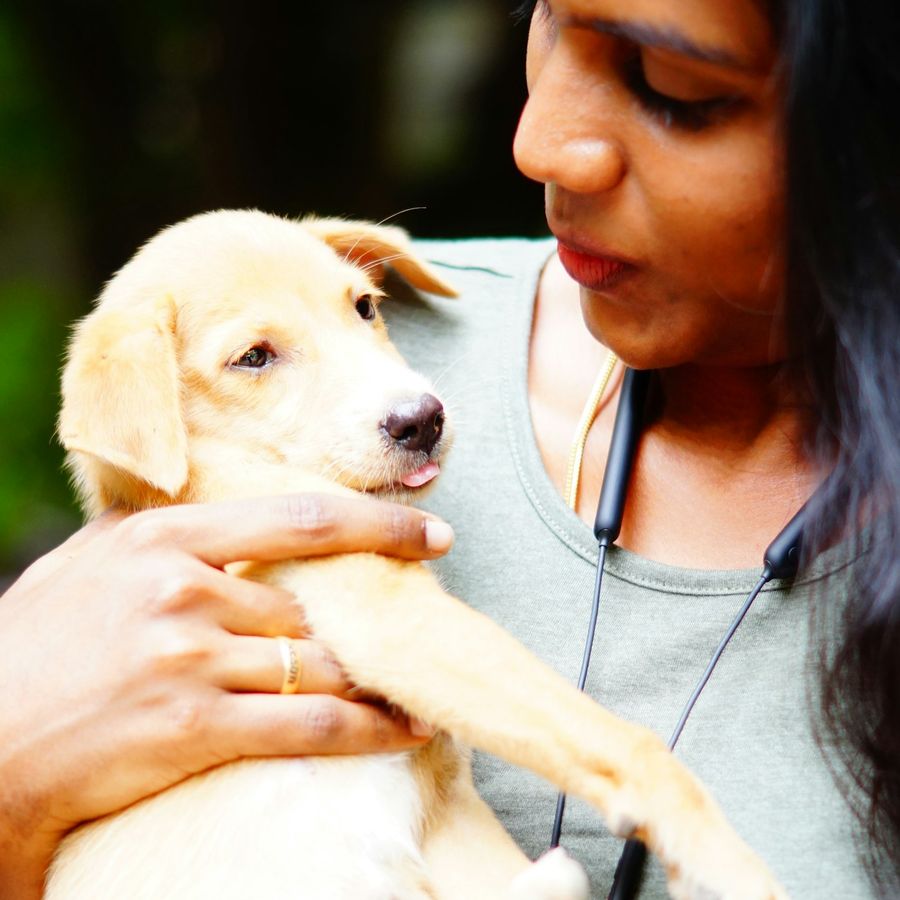

Dr. Saurabh Sen
B.V.Sc. & A.H.
NDVSU Jabalpur, 2015
Eleven years of field treatment and surgical experience, across companion animals and livestock.
Get trusted veterinary advice from the comfort of your home. Verified veterinarians, a written prescription, and a follow-up — without a trip to the clinic.
VetConnect connects pet parents across India with experienced veterinarians online. Book a slot, describe the problem, and a vet calls you back — usually within 15 minutes.
Fever, vomiting, diarrhoea, loss of appetite
Excessive barking, aggression, separation anxiety
Hair fall, itching, skin infections, wound care
Weight management, diabetic diets, bird nutrition
Report review, chronic condition management
Bringing a puppy home, vaccination schedules
Dogs, cats, birds, rabbits, guinea pigs, turtles and fish. Ask our veterinarians about health, nutrition, behaviour and wellbeing — anything that is not an emergency.

Dogs
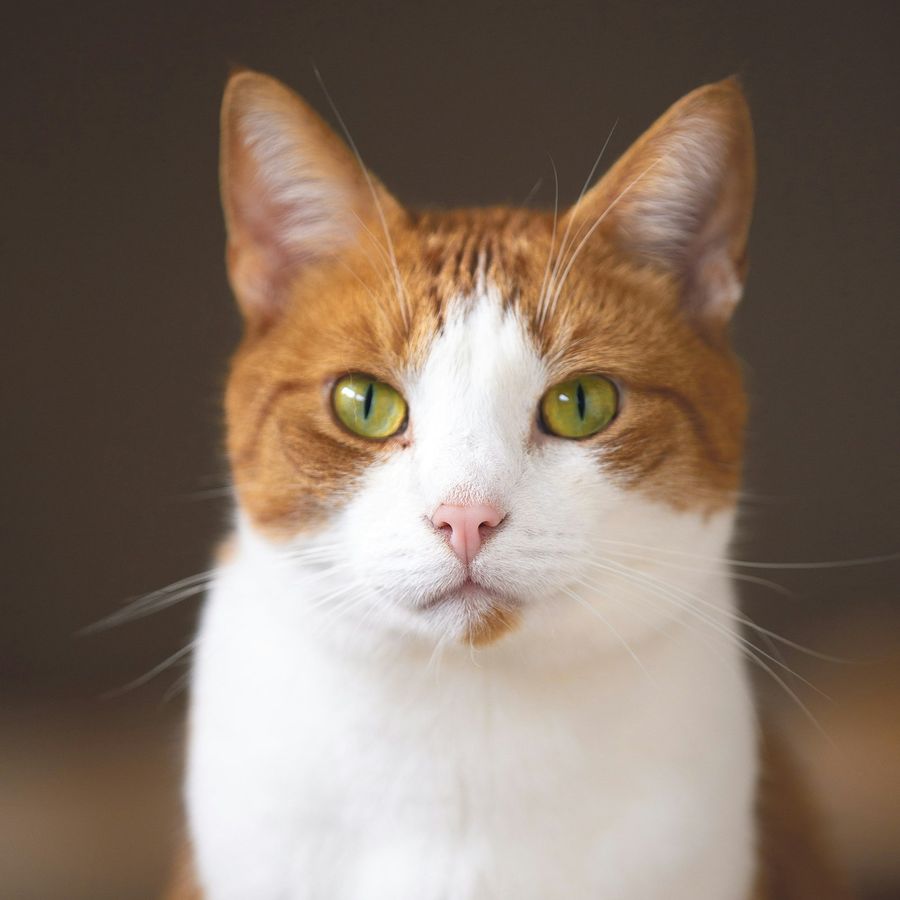
Cats

Small breeds
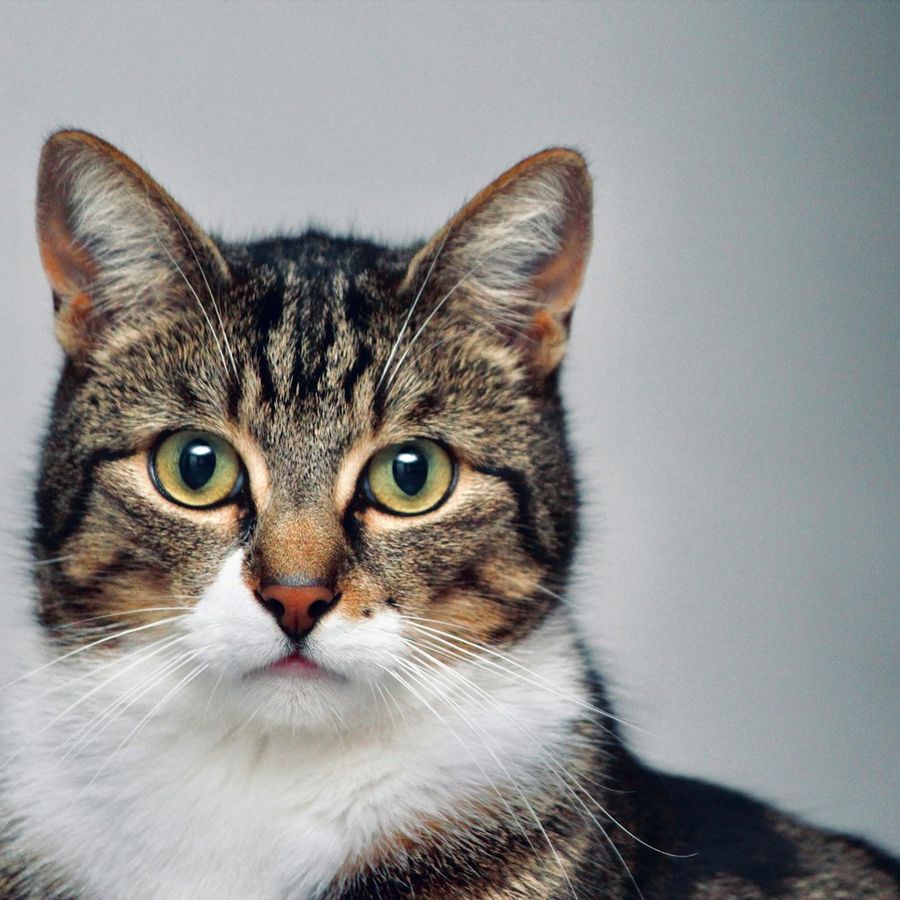
…and exotics
Every veterinarian on VetConnect is registered, credential-checked and experienced with the species they advise on.
B.V.Sc. & A.H.
NDVSU Jabalpur, 2015
Eleven years of field treatment and surgical experience, across companion animals and livestock.
B.V.Sc. & A.H., M.V.Sc.
Clinical and research experience in infectious disease medicine, treating dogs, cats, birds and cattle.
Speaks English, Hindi
M.V.Sc.
Over ten years of clinical experience in small animal medicine, surgery, emergency care and inpatient management.
Speaks English, Tamil
B.V.Sc. & A.H.
Avian and exotic practice — parrots, budgerigars, rabbits and guinea pigs, with a focus on nutrition and husbandry.
Speaks English, Hindi
M.V.Sc. (Surgery)
Soft-tissue and orthopaedic surgery, post-operative care and pain management for dogs and cats.
Speaks English, Telugu
B.V.Sc. & A.H., M.V.Sc.
Dermatology and behaviour. Works on chronic skin conditions, allergies, anxiety and litter-box problems.
Speaks English, Marathi
Please note: in case of serious illness, injury or an emergency, seek immediate treatment at your nearest veterinary hospital. Online consultation is not a substitute for emergency care.
Yes. Our veterinarians handle everything from fever, vomiting and diarrhoea to skin conditions, behaviour and diet. Book a slot, describe the symptoms, and a vet will call you back.
Yes. Cats are one of the most common consultations we take, covering illness, litter and behaviour problems, vaccination schedules and nutrition.
Yes. Several of our veterinarians have avian experience and regularly advise on budgerigars, cockatiels, lovebirds, parrots and poultry.
Yes. We take consultations for rabbits, guinea pigs, hamsters, turtles and fish. Mention the species when you book so we can assign the right veterinarian.
That is exactly what a consultation is for. Describe what you have noticed — appetite, energy, toilet habits, anything unusual — and the veterinarian will work through it with you.
Yes. Where a prescription is appropriate, the veterinarian issues a written one after the consultation and it is shared with you digitally.
Yes. Our veterinarians advise on cattle, buffalo, goats and sheep. For farm animals needing hands-on treatment, we can also arrange a visit — write to care@vetconnect.co.in and we will tell you what is available in your district.
Online consultations are available anywhere in India. Home visits and vaccinations are currently limited to selected cities — check the home visit page for the current list.
Most consultations connect within fifteen minutes of booking. If you choose a later slot, the veterinarian will call at the time you selected.
Online consultation is not a substitute for emergency treatment. If your pet has had a serious injury, is struggling to breathe, has collapsed or is bleeding heavily, go to the nearest veterinary hospital immediately.